

Hear from Our Customers
You’ve noticed the musty smell. Maybe someone in your house can’t shake that cough. Or you’re about to close on a property and need to know what you’re actually buying.
Mold testing isn’t about creating panic. It’s about getting real answers so you can make informed decisions. When you test with us, you’re getting laboratory analysis that identifies exactly what type of mold is present and at what concentration. That matters because not all mold requires the same response, and you shouldn’t pay for work you don’t need.
Here’s what changes after testing: you know whether that discoloration is harmless or hazardous. You have documentation for insurance claims or real estate transactions. You can move forward with confidence instead of wondering if you’re overreacting or ignoring a real problem. In Harrow and throughout Bucks County, where basements stay damp and older homes trap moisture, that clarity is worth everything.
We’ve been serving Harrow, PA and surrounding Bucks County communities with honest mold testing and remediation services. We’re not here to upsell you on services you don’t need or downplay problems that require attention.
We use thermal imaging cameras and moisture meters to find mold growth before it becomes visible. We send samples to independent third-party labs because you deserve unbiased results, not conclusions that benefit our bottom line. Harrow homes face unique challenges with humidity and aging infrastructure, and we’ve seen enough basements, crawlspaces, and attics to know what actually works here.
You’ll talk to a real person when you call. You’ll get straight answers about what we find. And you’ll never feel pressured into decisions that don’t make sense for your situation or budget.
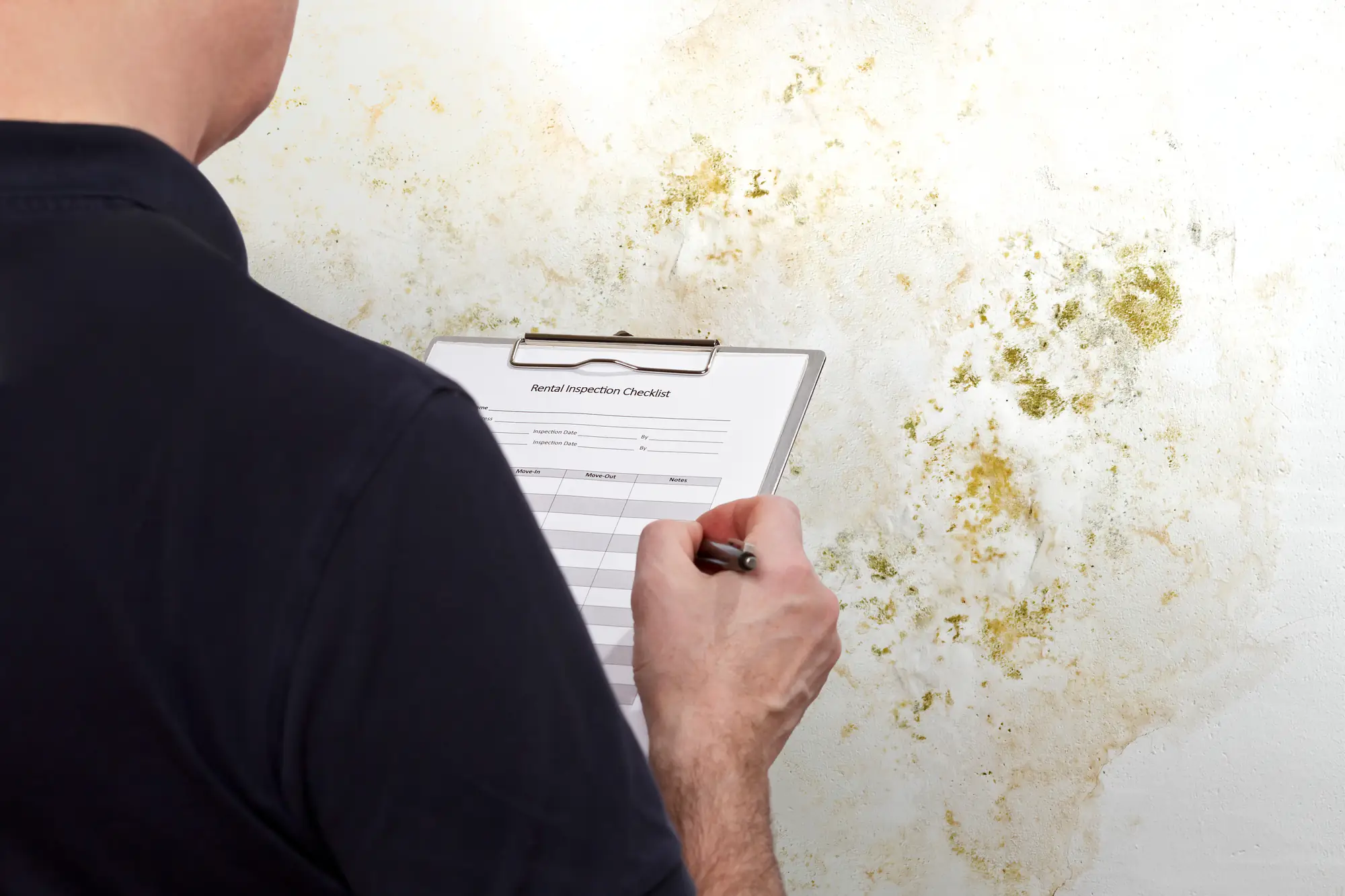
When you contact us, we start with a visual inspection of your property. This is where we look for obvious signs of water damage, moisture problems, and visible mold growth. But we don’t stop there because mold hides in places you can’t easily access.
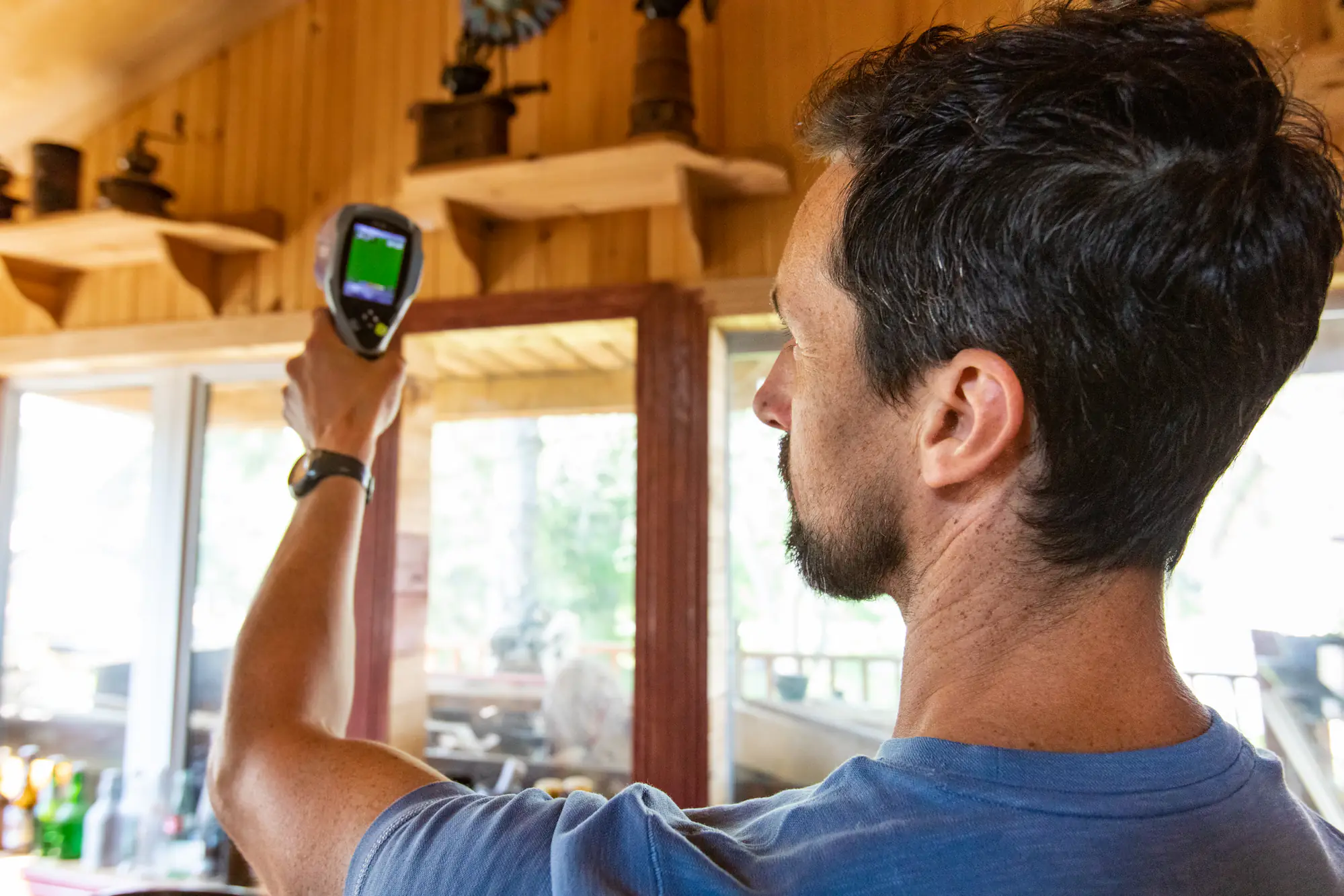
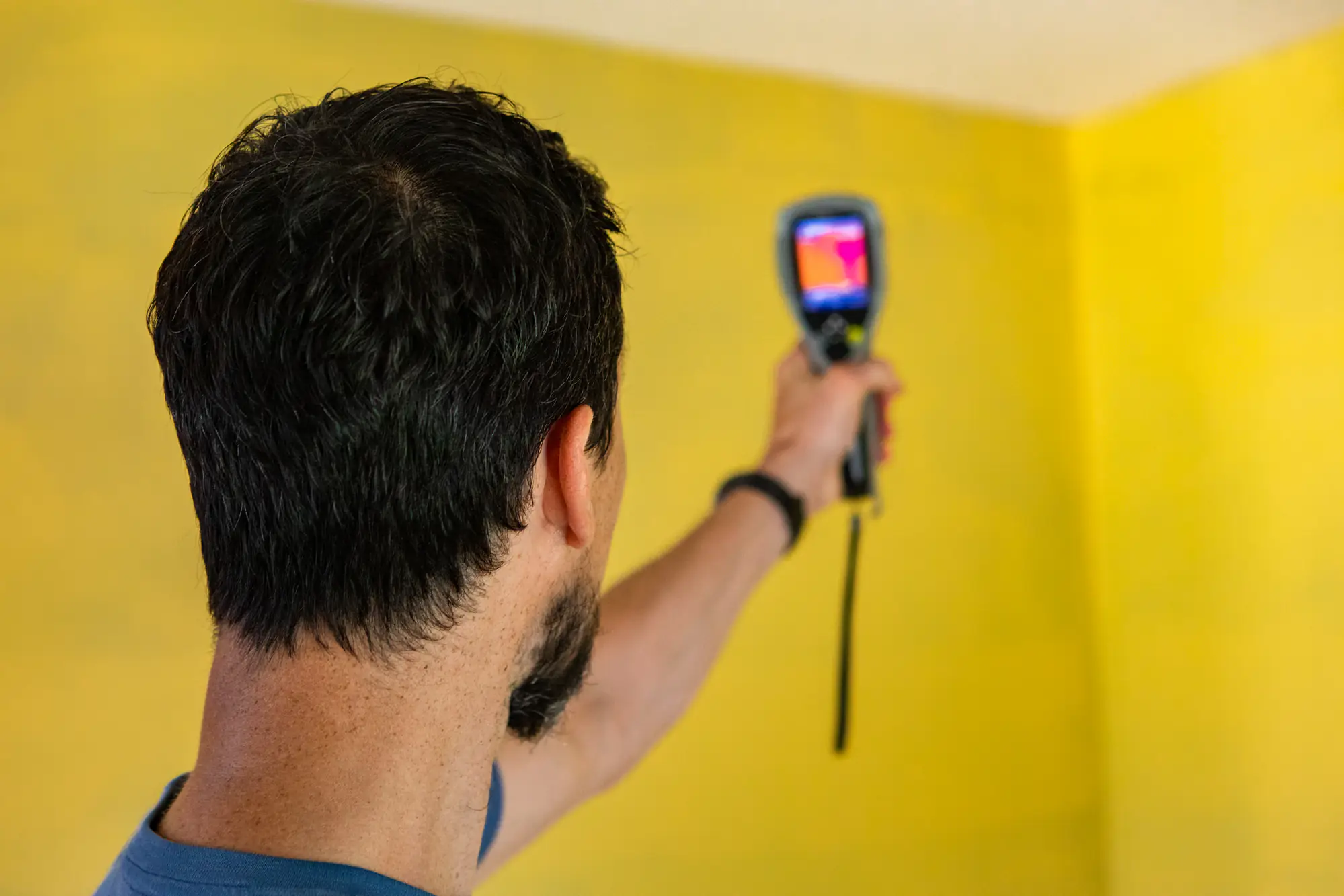
We use thermal imaging to detect temperature differences in your walls, floors, and ceilings. Cold spots often indicate moisture intrusion, which means mold is likely growing even if you can’t see it yet. Our moisture meters confirm what the camera suggests, giving us a complete picture of where problems exist.
Next comes sample collection. We use air quality pumps with special filters to capture airborne spores, and we take swab or tape samples from suspected growth areas. These samples go to an independent laboratory for analysis. You’re not waiting weeks for results – most testing comes back within days, and we walk you through exactly what the findings mean.
If the lab confirms mold, we explain your options clearly. Some situations need immediate remediation. Others can be managed with improved ventilation or minor repairs. We tell you the difference because your health and your budget both matter.
Ready to get started?
Every mold testing service includes a thorough visual inspection of your property, thermal imaging to detect hidden moisture, and professional sample collection using calibrated air quality equipment. You’re getting the same technology and methods used by certified industrial hygienists, not a quick walk-through with a flashlight.
In Harrow, PA, we pay special attention to basements and crawlspaces where Bucks County’s clay-heavy soil creates drainage challenges. Older homes in the area often have stone foundations that allow moisture seepage, and newer construction sometimes lacks proper ventilation in bathrooms and attics. We know what to look for because we’ve tested hundreds of local properties.
Your service includes laboratory analysis from an unaffiliated third-party facility. They’ll identify the specific mold species present and measure spore concentrations against normal outdoor levels. This matters for your health, your property value, and any insurance or legal documentation you might need. If you’re buying or selling a home, these results give everyone involved the transparency Pennsylvania disclosure laws require.
You also get a detailed report explaining the findings in plain language, plus our professional recommendations. We’ll tell you if remediation is necessary, what it should cost, and how to prevent recurrence. If testing shows your air quality is fine, we’ll tell you that too.
You need testing when you can smell mold but can’t find the source, when someone in your home has unexplained respiratory symptoms that improve when they leave the house, or when you’ve had water damage and want to confirm it didn’t create a mold problem. Testing also makes sense before buying a property, especially in Harrow where older homes and high water tables create ideal conditions for hidden growth.
Here’s what doesn’t require testing: visible mold growth that’s smaller than 10 square feet. The EPA says if you can see it and it’s limited in scope, just clean it properly or hire someone to remove it. Testing won’t change that recommendation. But if you’re seeing mold in multiple areas, if it keeps coming back after cleaning, or if you suspect it’s behind walls or under flooring, testing tells you how extensive the problem really is.
Black mold specifically – the kind people worry about most – can only be identified through lab analysis. You can’t tell by looking whether dark mold is Stachybotrys chartarum or something less concerning. If you’re dealing with any significant mold issue, professional testing removes the guesswork and gives you a clear path forward.
A mold inspection is a visual assessment where we examine your property for signs of mold growth, water damage, and moisture problems. We use thermal imaging and moisture meters to find issues you can’t see, and we identify conditions that promote mold growth. An inspection tells you where problems exist and what’s causing them.
Mold testing goes further by collecting actual samples – either from the air or from suspected growth areas – and sending them to a laboratory for species identification and concentration analysis. Testing tells you exactly what type of mold is present and whether the levels are abnormal compared to outdoor air. This matters when you need documentation for insurance, real estate transactions, or legal purposes.
Most comprehensive mold assessments include both inspection and testing. The inspection finds the problems, and the testing confirms what you’re dealing with. In Harrow, where moisture issues are common but not always obvious, this combination gives you the complete picture. You’ll know not just that mold exists, but what kind it is, how much is present, and whether it poses a health risk that requires immediate action.
The on-site portion of mold testing typically takes one to two hours, depending on your property size and how many areas we’re sampling. We’re not rushing through your home – we’re being thorough with the visual inspection, thermal imaging, and sample collection. Larger properties or homes with multiple problem areas may take longer.
Laboratory analysis usually takes three to five business days once samples arrive at the facility. Some labs offer rush processing for an additional fee if you’re facing a time-sensitive situation like a real estate closing. We send samples to independent third-party labs that use proper identification methods, not quick field tests that give unreliable results.
Once results come back, we review them with you right away. You’re not getting a report dumped in your email with no explanation. We walk through what the lab found, what the spore counts mean, and what action makes sense for your specific situation. If remediation is needed, we can start planning immediately. If results show your air quality is normal, you have peace of mind and documentation to prove it. The entire process from initial call to final results typically spans one week, though we can expedite when necessary.
Mold testing tells you what’s in your air and on your surfaces at the time of sampling. It identifies specific mold species and measures their concentration against normal outdoor levels. If testing shows elevated levels of problematic molds like Stachybotrys, Aspergillus, or Penicillium, you know you have an issue that needs addressing. If levels are normal, you can feel confident your indoor air quality isn’t being compromised by mold.
But here’s what testing can’t do: it can’t guarantee future safety if the moisture problem causing mold growth isn’t fixed. Mold testing is a snapshot, not a permanent certification. In Harrow’s climate, where humidity and water intrusion are ongoing challenges, the conditions that created mold once can create it again if nothing changes.
That’s why professional mold testing includes identifying the moisture source. We don’t just tell you mold is present – we show you why it’s growing and what needs to change. Maybe it’s a leaking pipe, poor ventilation, or groundwater seeping through your foundation. Fix the cause, remediate the mold, and your home becomes safe. Testing alone doesn’t make your home safe, but it gives you the information you need to actually solve the problem instead of just treating symptoms.
Most homeowners insurance policies in Pennsylvania cover mold testing and remediation only if the mold resulted from a covered peril – typically sudden and accidental water damage like a burst pipe or storm-related flooding. If mold developed because of long-term neglect, poor maintenance, or gradual moisture problems, insurance usually won’t pay for testing or cleanup.
Here’s the practical reality: you often need testing results before you even know if you have a valid insurance claim. The lab report documents what type of mold is present and proves the extent of contamination. If your claim gets approved, that documentation supports your case. If insurance denies coverage, you still have the information needed to move forward with remediation on your own.
Some policies have specific mold coverage limits – often around $10,000 – regardless of actual damage costs. Others exclude mold entirely unless you’ve purchased additional coverage. Before filing a claim, check your policy details and consider whether the testing and remediation costs might fall below your deductible anyway. Many Harrow homeowners find that addressing smaller mold issues out-of-pocket is faster and simpler than navigating insurance requirements, especially when the total cost is manageable and won’t impact your premium long-term.
Don’t disturb any visible mold growth. Scrubbing or removing it before you have test results can release massive amounts of spores into your air and spread contamination to clean areas of your home. If mold is in a specific room, keep that door closed and avoid running fans that might circulate spores throughout the house.
Address any active water problems immediately. If you have a leak, get it fixed. If you’re seeing condensation on windows or pipes, improve ventilation or use a dehumidifier. Mold can’t grow without moisture, so cutting off the water source prevents the problem from getting worse while you wait for lab analysis. In Harrow’s humid climate, especially during summer months, keeping indoor humidity below 50% makes a real difference.
If anyone in your household is experiencing respiratory symptoms, consider staying elsewhere until you have results and a remediation plan – particularly if someone has asthma, allergies, or a compromised immune system. This isn’t about panic, it’s about reasonable precaution. Once testing confirms what you’re dealing with, you can make informed decisions about whether temporary relocation makes sense during cleanup. Most importantly, don’t start any major renovation or demolition work in affected areas until you know what you’re dealing with and have a proper containment plan in place.
Other Services we provide in Harrow